Penn Palimpsest
Client
The New York Times
Location
New York, NY
Program
Transit Hub
Size
2 city blocks
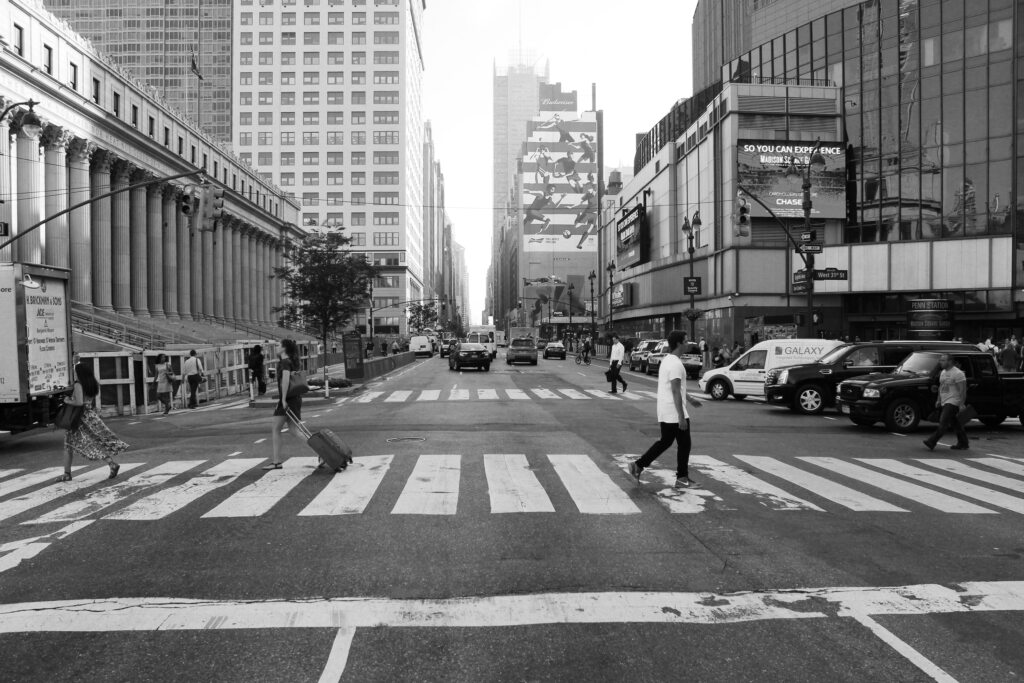
Pennsylvania Station is much more than a transit hub. It is the busiest transportation facility in the Western Hemisphere, it is at the heart of the city and region, and it is the lynchpin to reimagining its neglected surroundings. But beyond these significant concerns, Penn Station is also a symbol, from the extraordinary engineering feat it and its trans-Hudson tunnels represented in 1910, to the demolition of McKim, Mead & White’s Beaux-Arts spectacle in the 1960s, to its future disposition in the coming years.
In 2016 PAU was approached by the New York Times Opinion Section to create a new vision for Penn Station, something that elected officials and community groups had talked about for decades, with little to no real work being done. With the help of a grant from the Ford Foundation, the firm was able to present an idea for a Penn Station reborn— one that elicited a potent and dynamic public response. Since the publication of the op-ed, a new community advocacy organization, Public for Penn Station, has beenformed as a 501(c)(3) in support of the proposal.
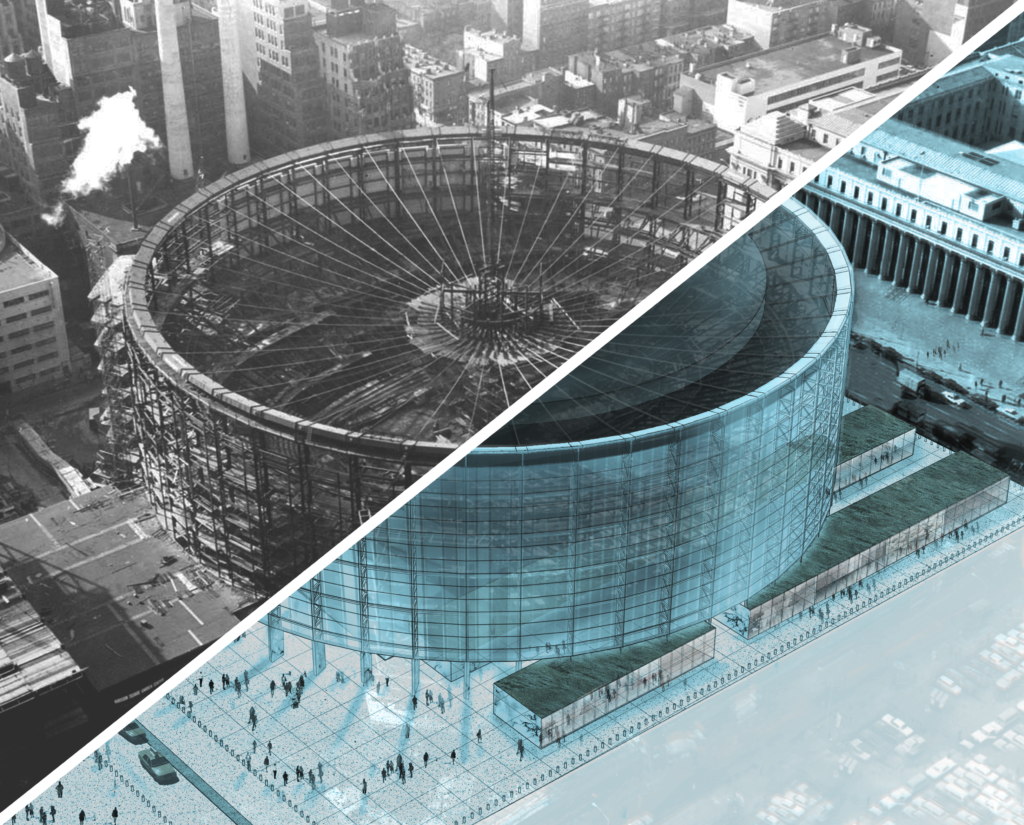
Penn Station is much more than a transportation center. As the heart of the Northeast Corridor rail system, it has the potential to link downtown to downtown along the Eastern Seaboard in a way far more economical, expedient and environmentally sustainable than air travel.”Michael Kimmelman, New York Times Architecture Critic
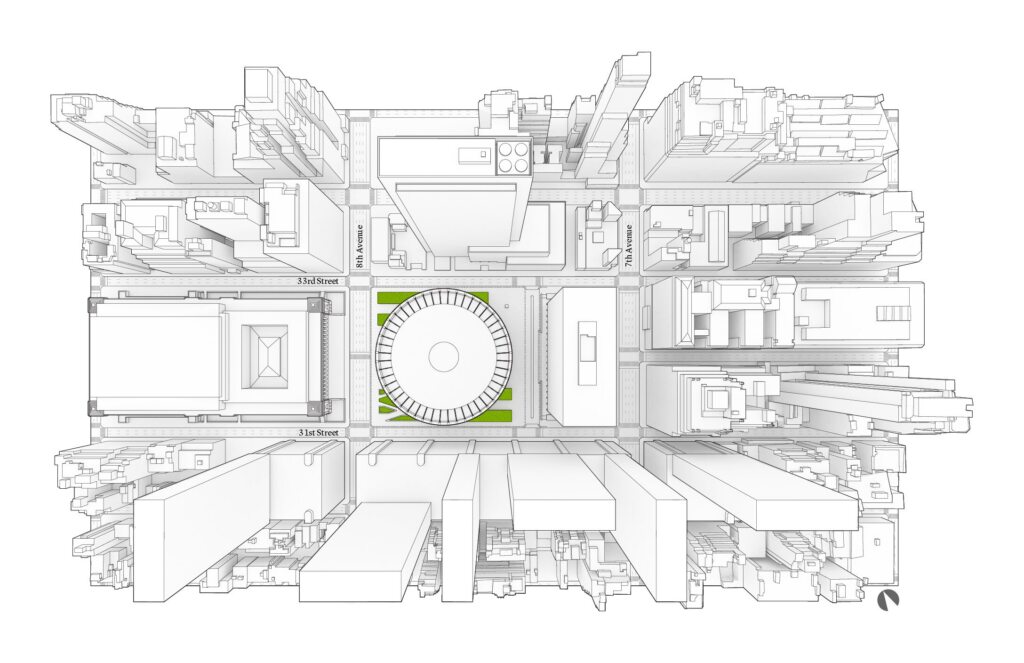
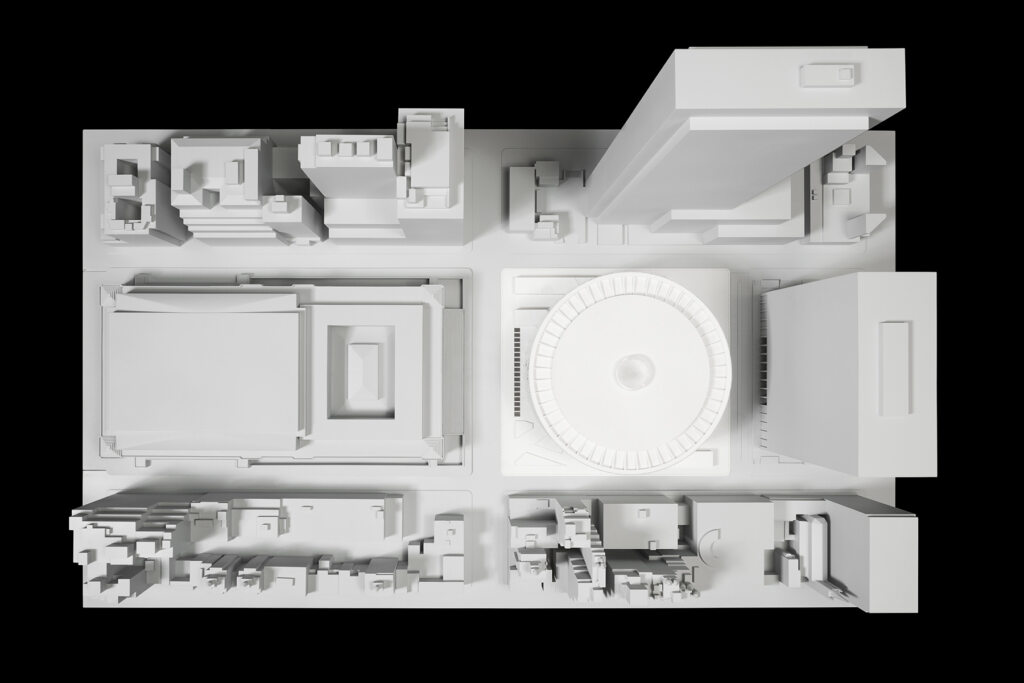
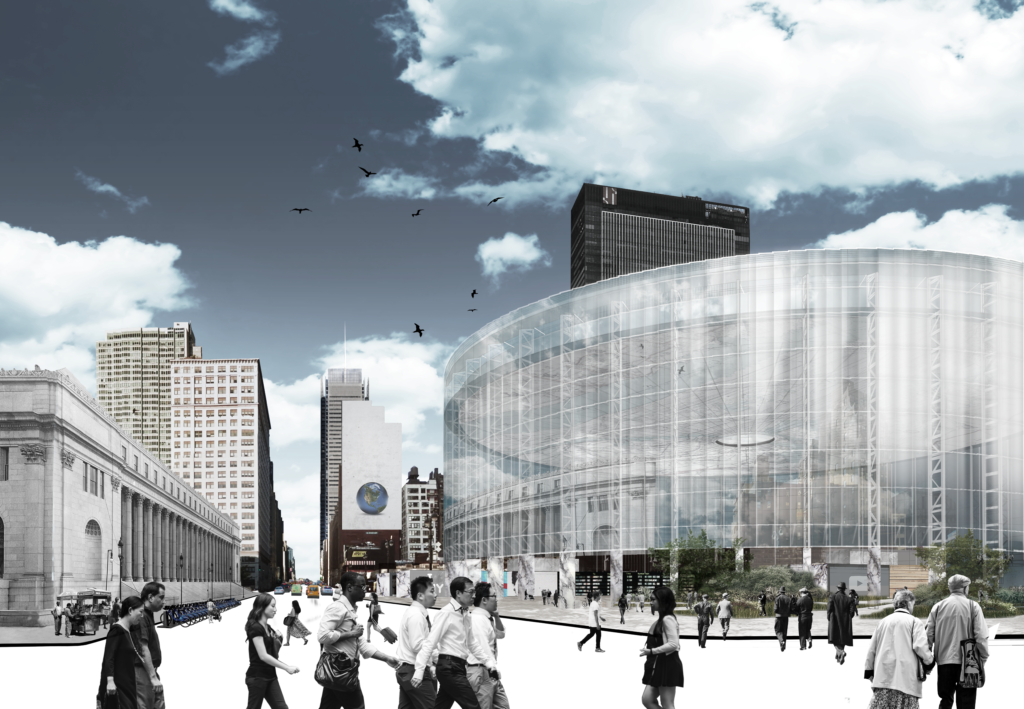
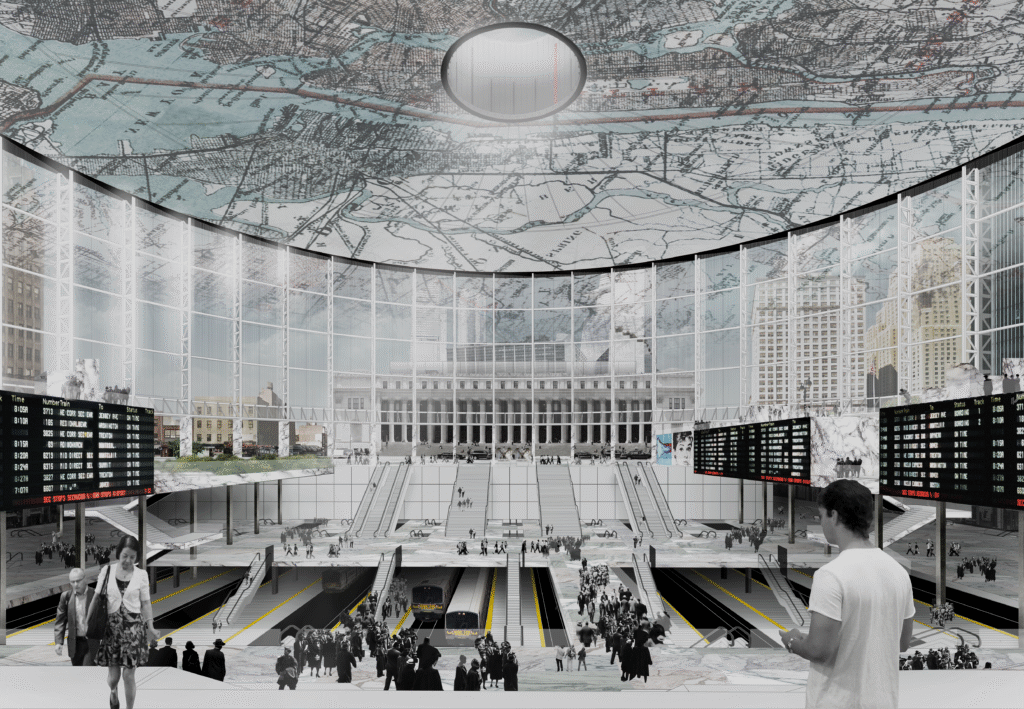
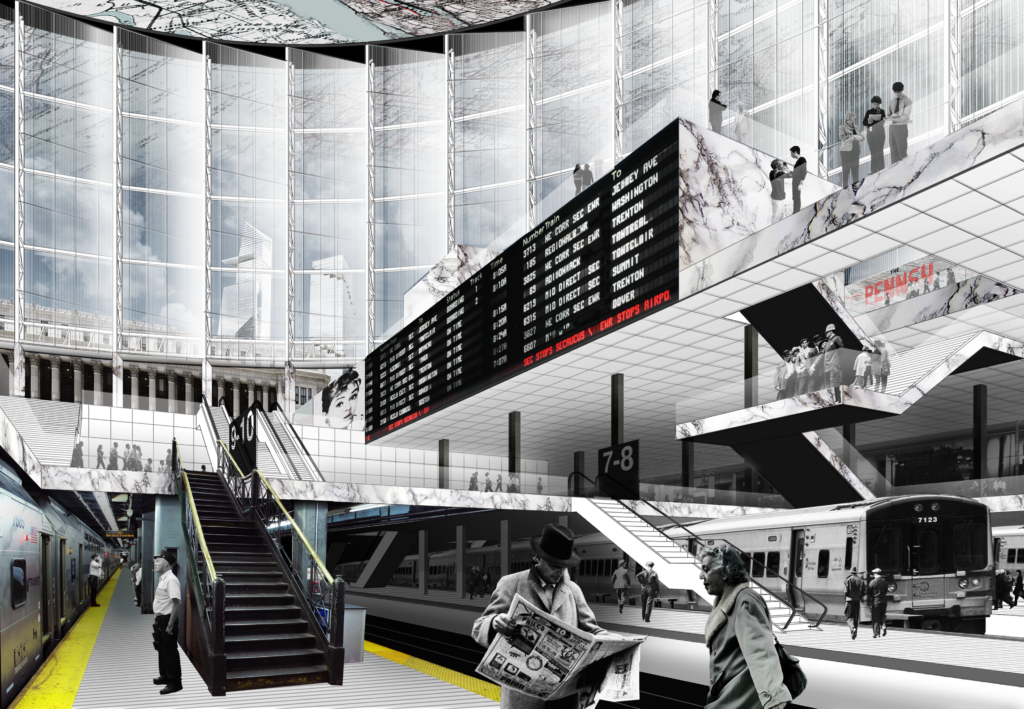
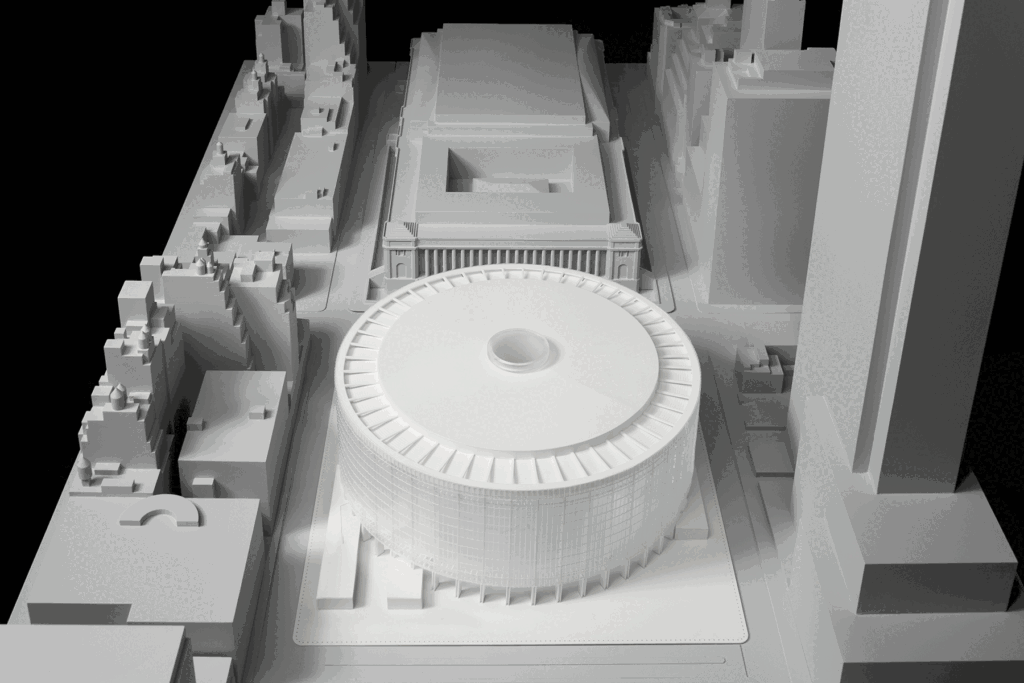
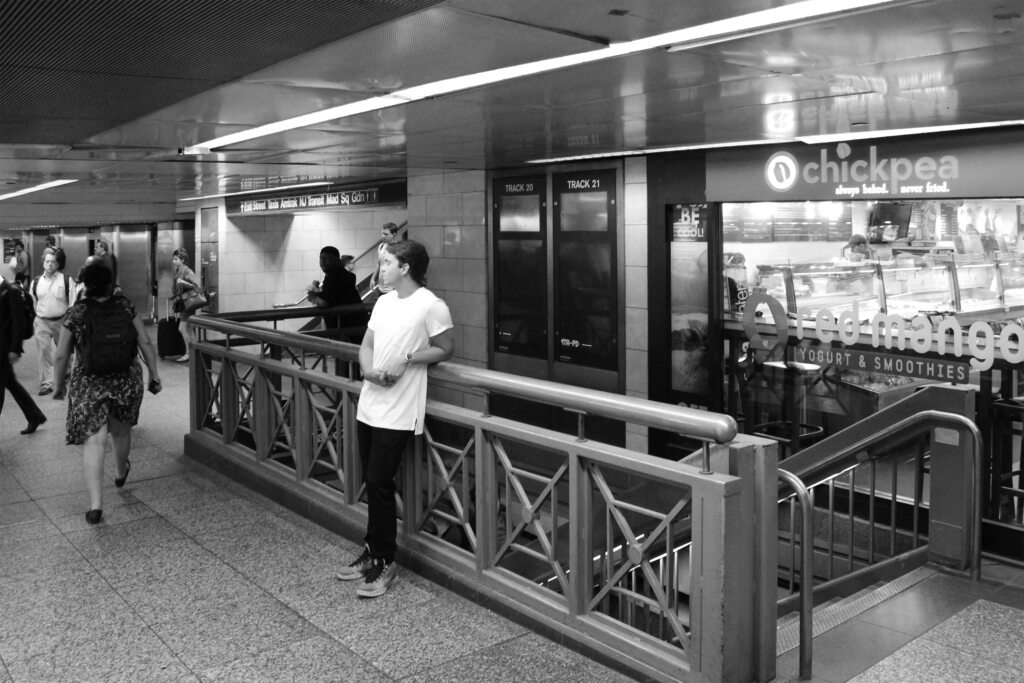
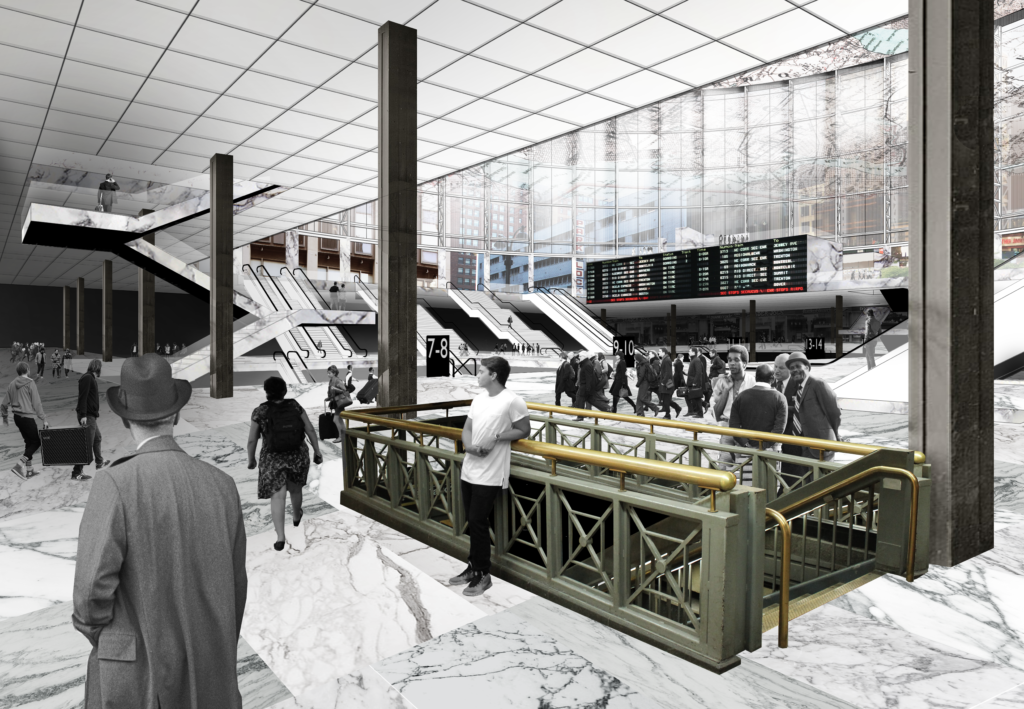
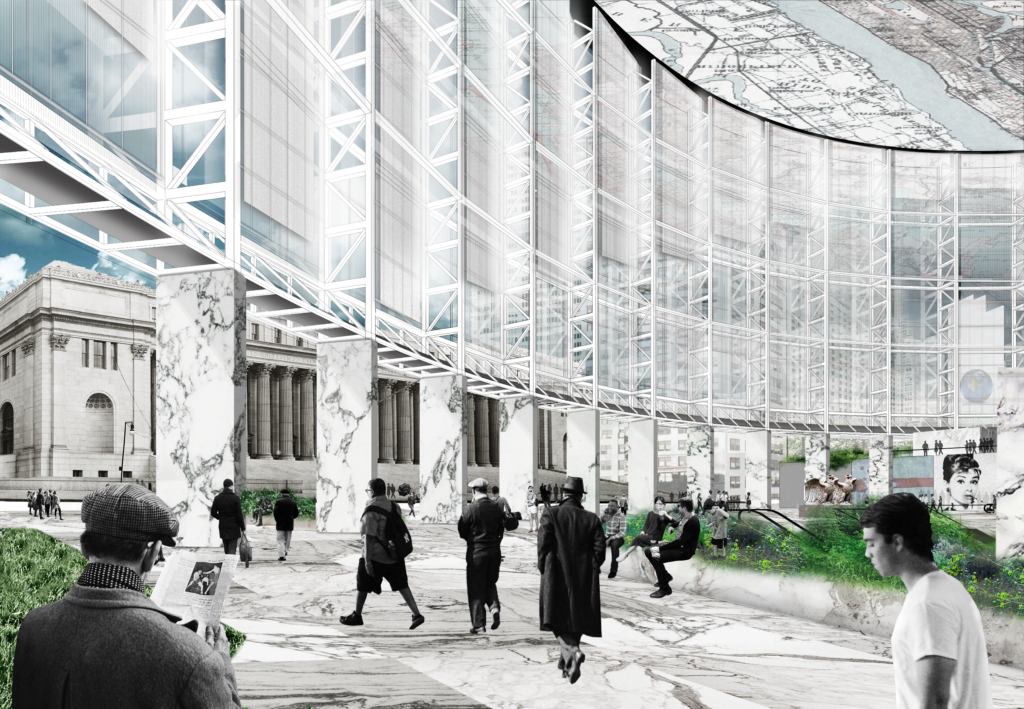
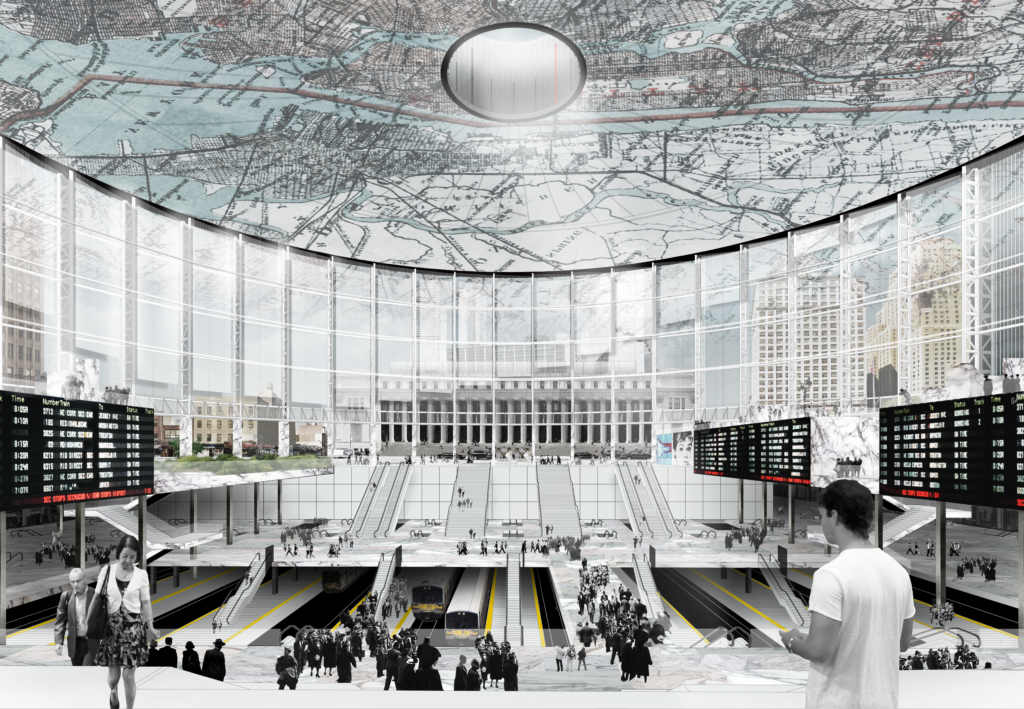
PAU imagines the station as a new public commons, a civic space both sober and soaring, an idea born out of architectural restraint during a time that asks us to do more with less. Recycling the superstructure and foundations of the relocated Madison Square Garden allows for the creation of a grand commuter pavilion at minimal public cost and disruption. Architecturally the proposal builds upon the palimpsest that is Penn, with layers of history revealed from McKim’s original balustrades, to the reuse of the original station’s mezzanine levels, to the reimagining of the Garden’s roof as a hovering mural of New York. The structure of the Garden is reclad in a double-skin glass wall that transmits light but not heat. The station is passively heated and cooled, permitting an open entry threshold around the entire perimeter as well as enabling far better emergency egress. Blast-proof glass protects the new station, and in the event of fire, smoke is purged quickly through the oculus in the ceiling.

Pennsylvania Station is much more than a transit hub. It is the busiest transportation facility in the Western Hemisphere, it is at the heart of the city and region, and it is the lynchpin to reimagining its neglected surroundings. But beyond these significant concerns, Penn Station is also a symbol, from the extraordinary engineering feat it and its trans-Hudson tunnels represented in 1910, to the demolition of McKim, Mead & White’s Beaux-Arts spectacle in the 1960s, to its future disposition in the coming years.
In 2016 PAU was approached by the New York Times Opinion Section to create a new vision for Penn Station, something that elected officials and community groups had talked about for decades, with little to no real work being done. With the help of a grant from the Ford Foundation, the firm was able to present an idea for a Penn Station reborn—one that elicited a potent and dynamic public response. Since the publication of the op-ed, a new community advocacy organization, Public for Penn Station, has been formed as a 501(c)(3) in support of the proposal.
Collaborators
Structure: Thornton Tomasetti
Façade and Sustainability: Level Agency for Infrastructure
Costing: Dharam Consulting