Affordable New York
Client
New York Times
Location
New York, NY
Year
Ongoing Advocacy Project
Program
Housing Proposal
Size
Citywide
In the Summer of 2023, PAU was approached by the New York Times, to answer a deceptively simple question: how much room is there for new housing in the five boroughs? Over the next several months our office developed a conservative methodology for analyzing the city’s housing potential—following a strategy that identifies primarily vacant sites, within walking distance from transit, lying outside the projected floodplain in 2100. Each site was assigned a multi-family housing typology: low, mid, or high-rise, depending on the height of the neighborhood context. Older office buildings, suitable for conversion to housing, were also examined.
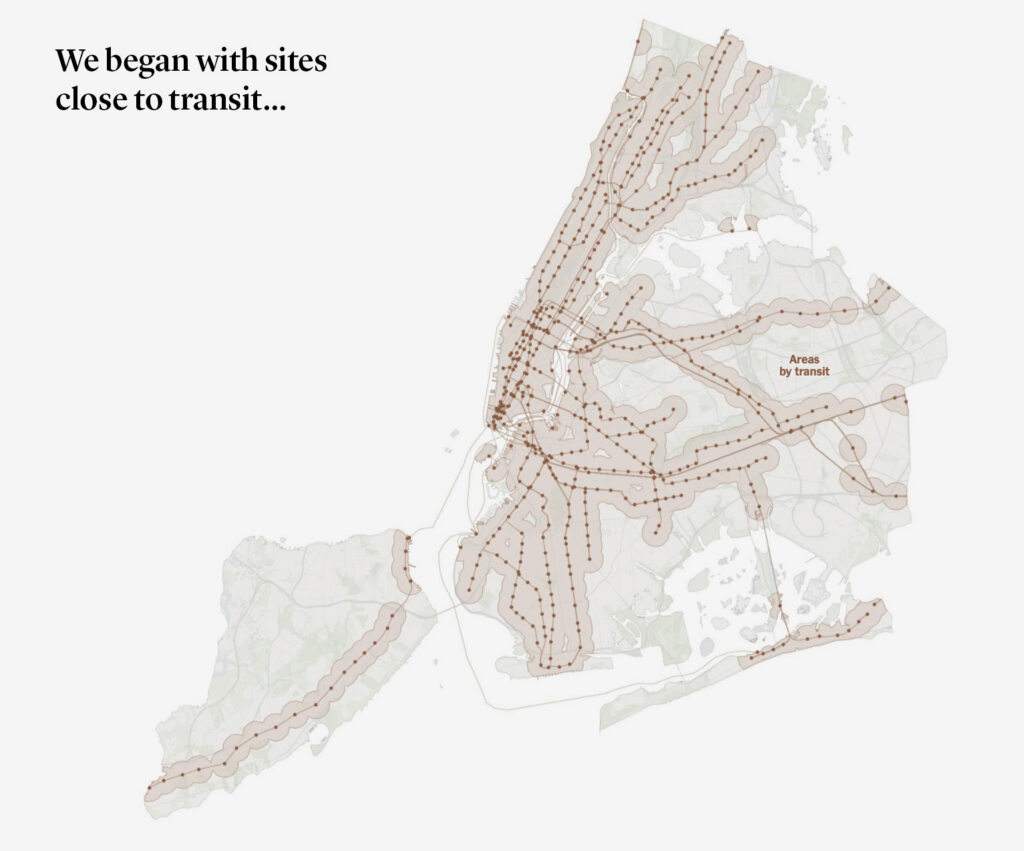
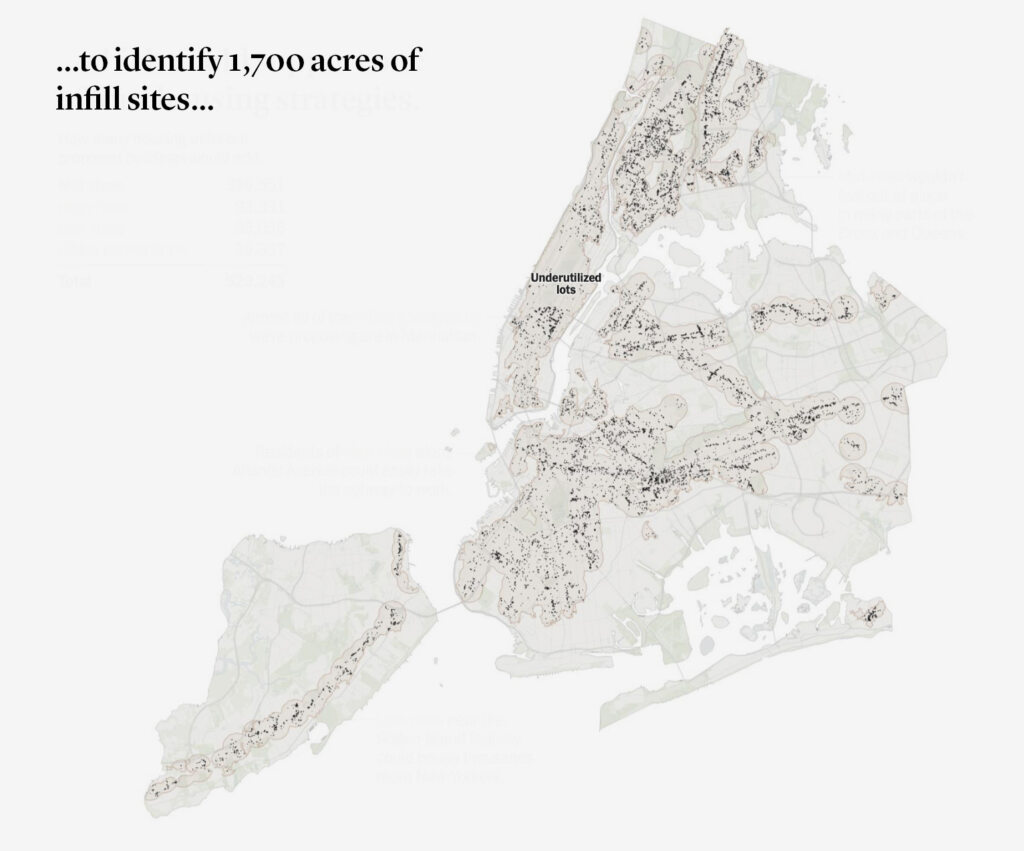
Methodology for identifying infill sites
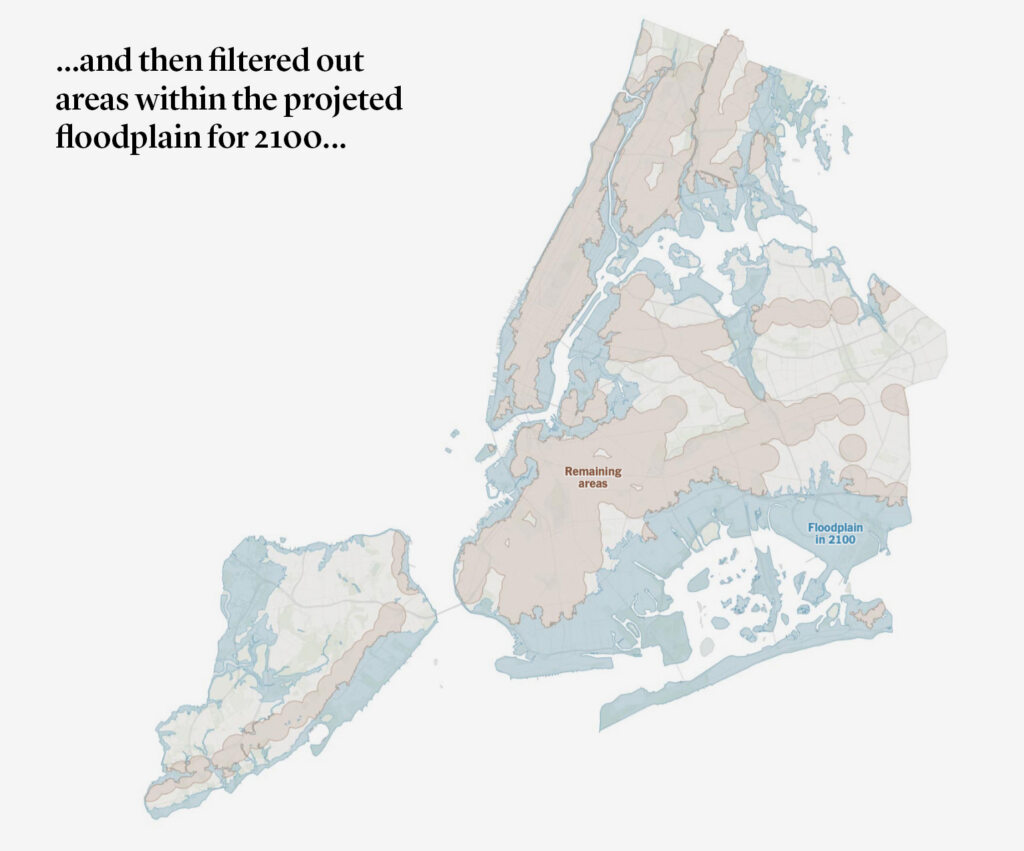
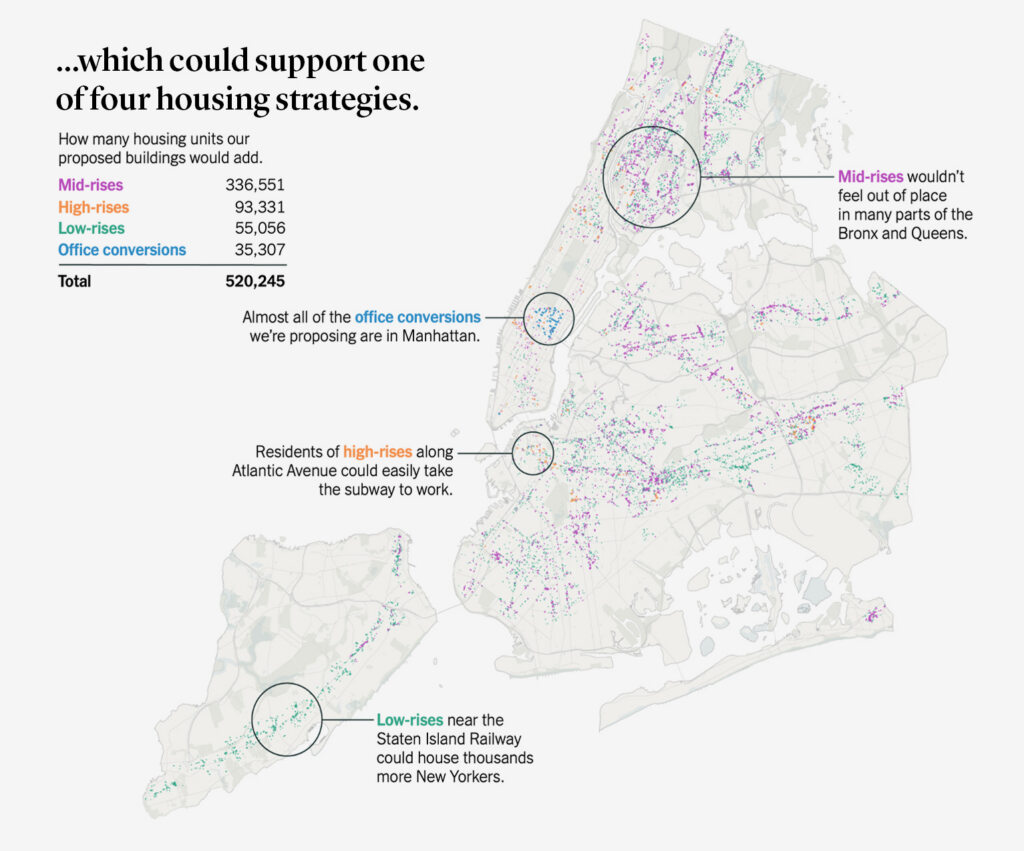
The result: there is room to build 520,000 new homes, enough to house over 1.3 million new New Yorkers, without demolishing a single house or apartment building. About 80% of these homes would be in low and mid-rise structures, likely built by smaller builders as opposed to big developers. These smaller buildings are have a degree of intrinsic affordability that flows from cheaper land and construction costs than high rise sites in Manhattan. Further affordability for low-income or supportive housing for the unhoused could be created through public subsidies.
In December of 2023, Vishaan Chakrabarti wrote an editorial sharing these findings, accompanied by illustrations produced by PAU and the New York Times.
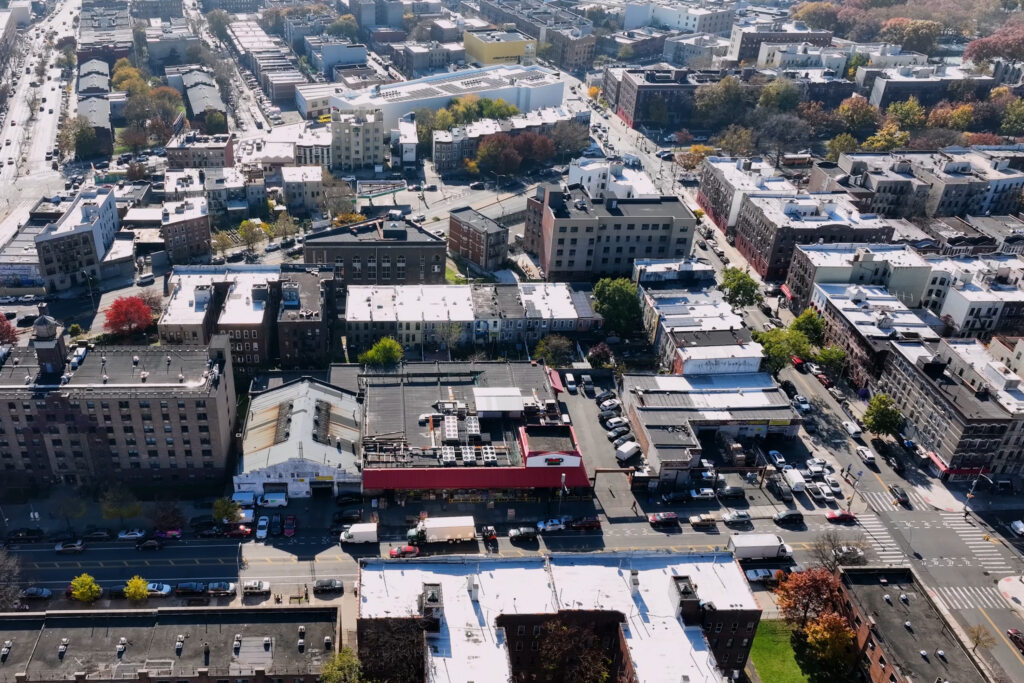
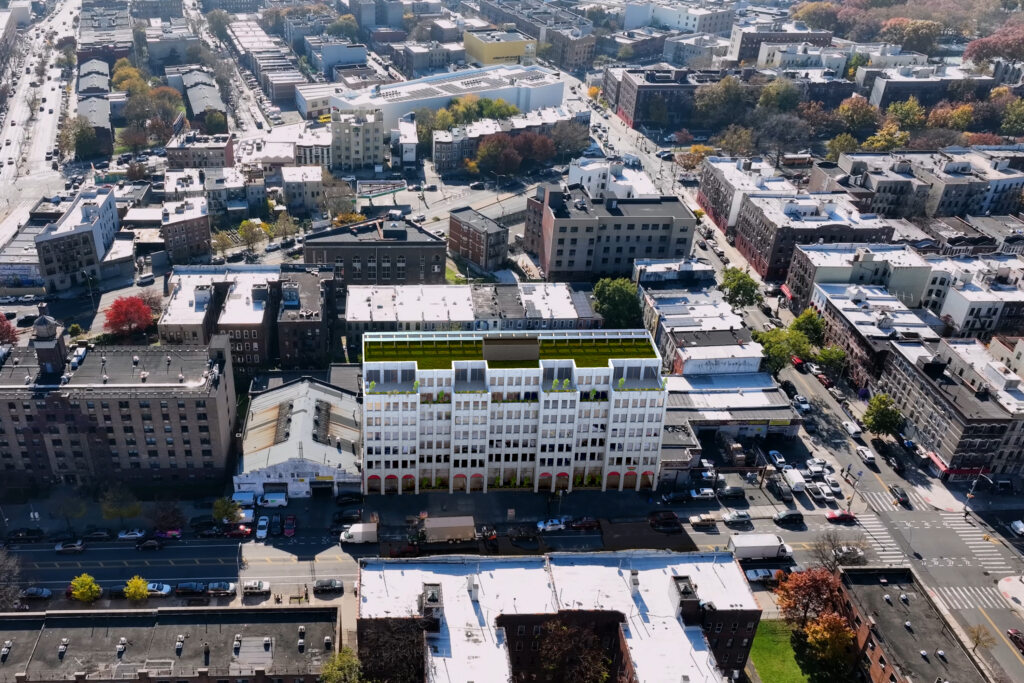
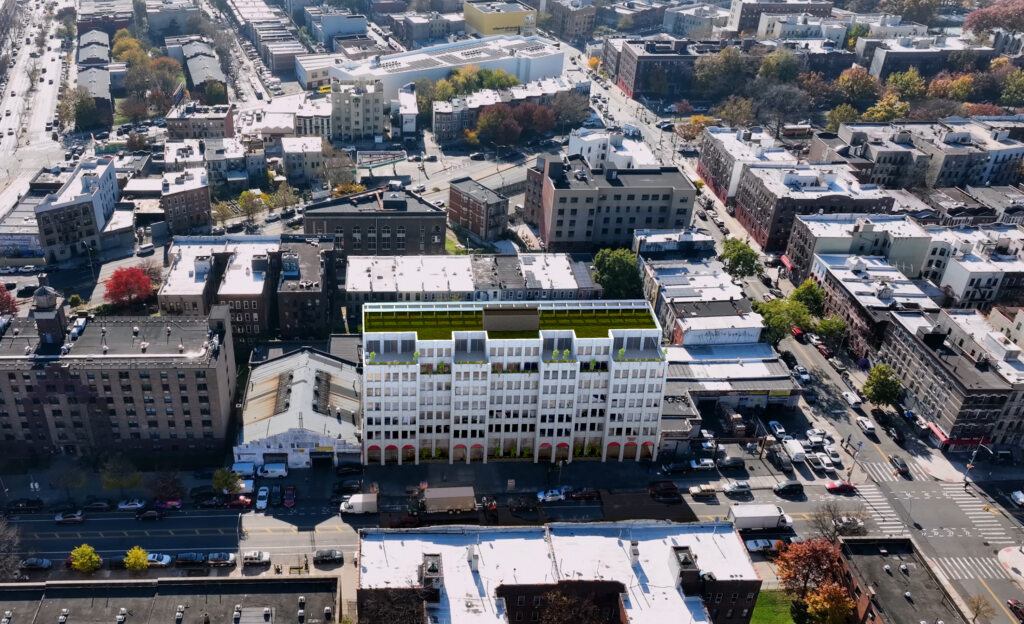
At this single-story grocery store in Brooklyn, a mid-rise apartment complex built above a replacement grocery store could create 58 new housing units.
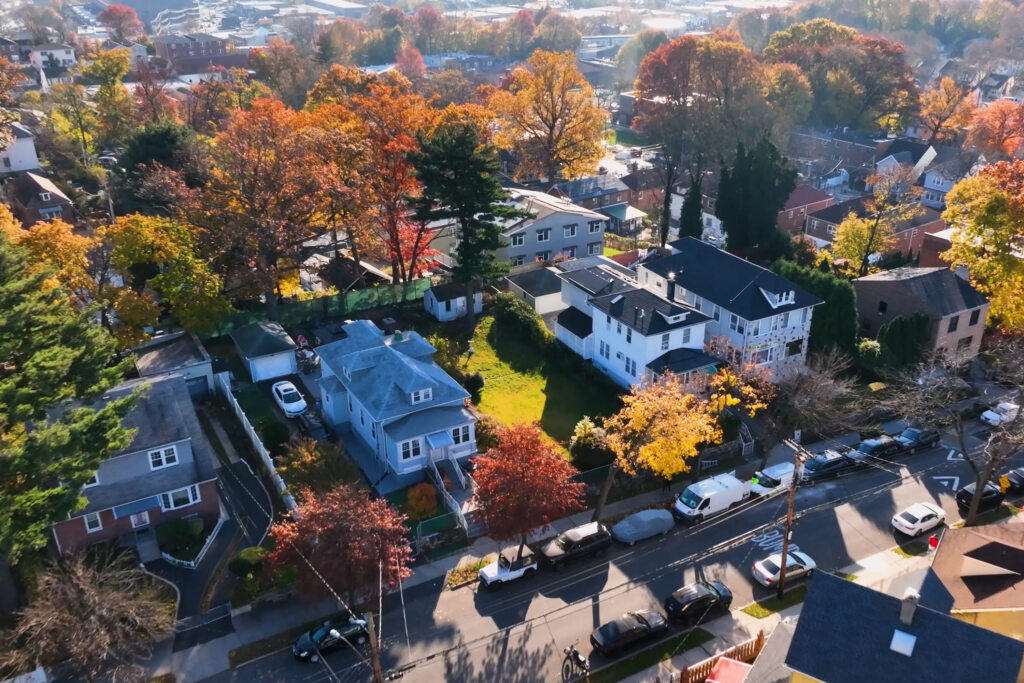
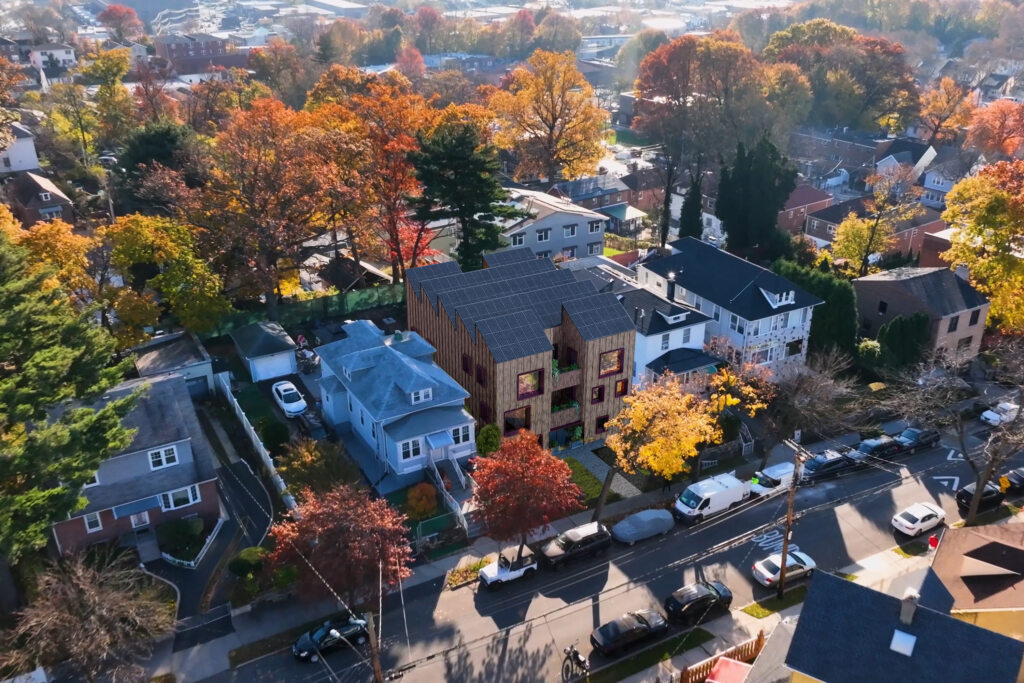
This vacant lot on the northern edge of the Bronx could support low-rise multifamily development.
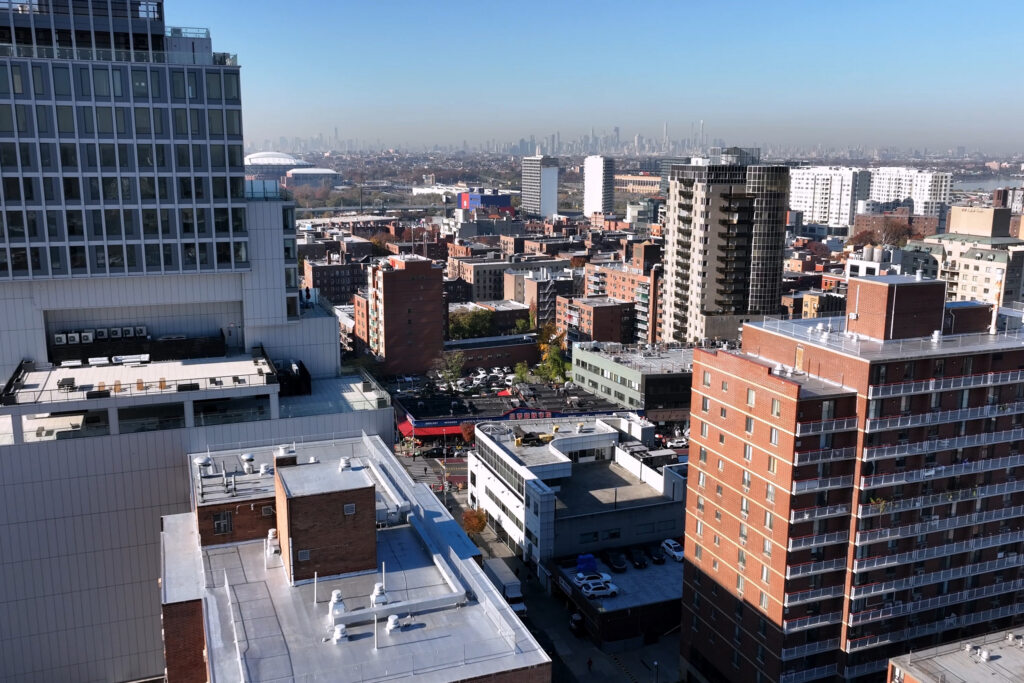
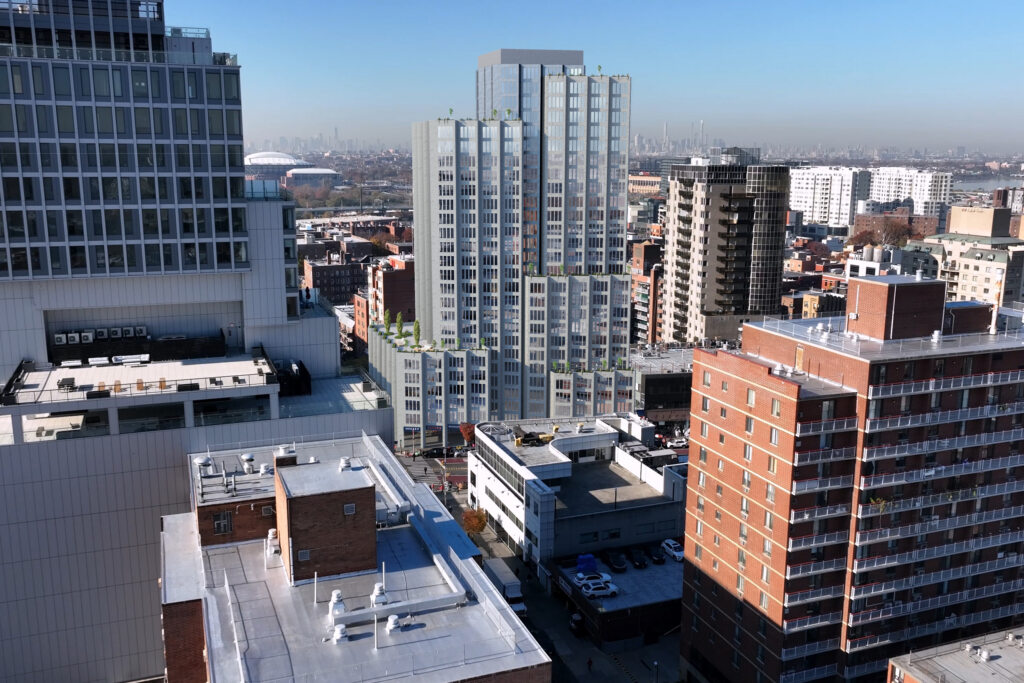
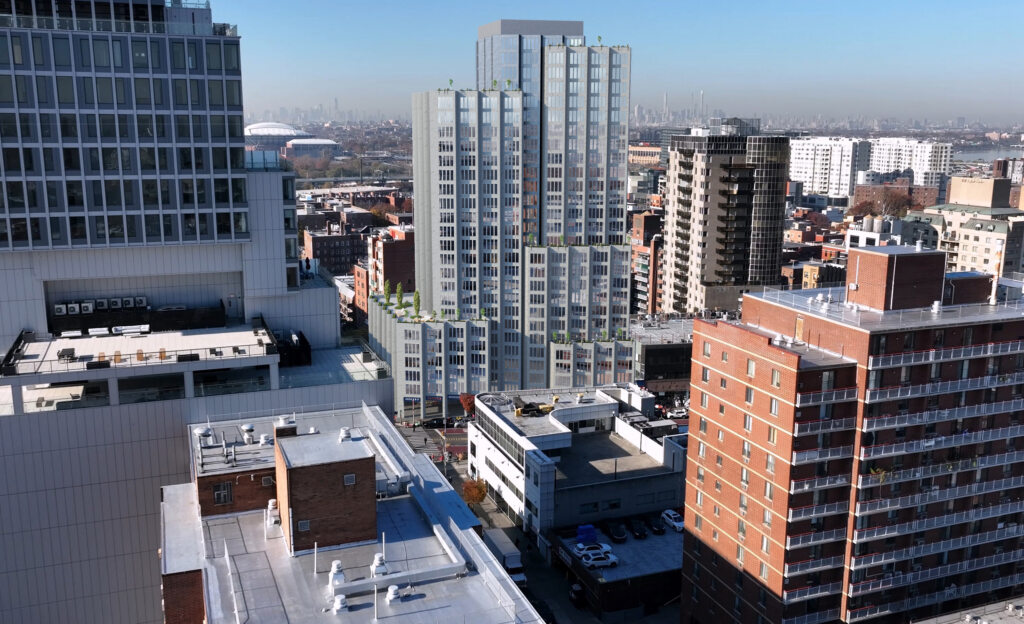
A high-rise built above new retail spaces in Flushing, Queens would match the density of surrounding buildings.
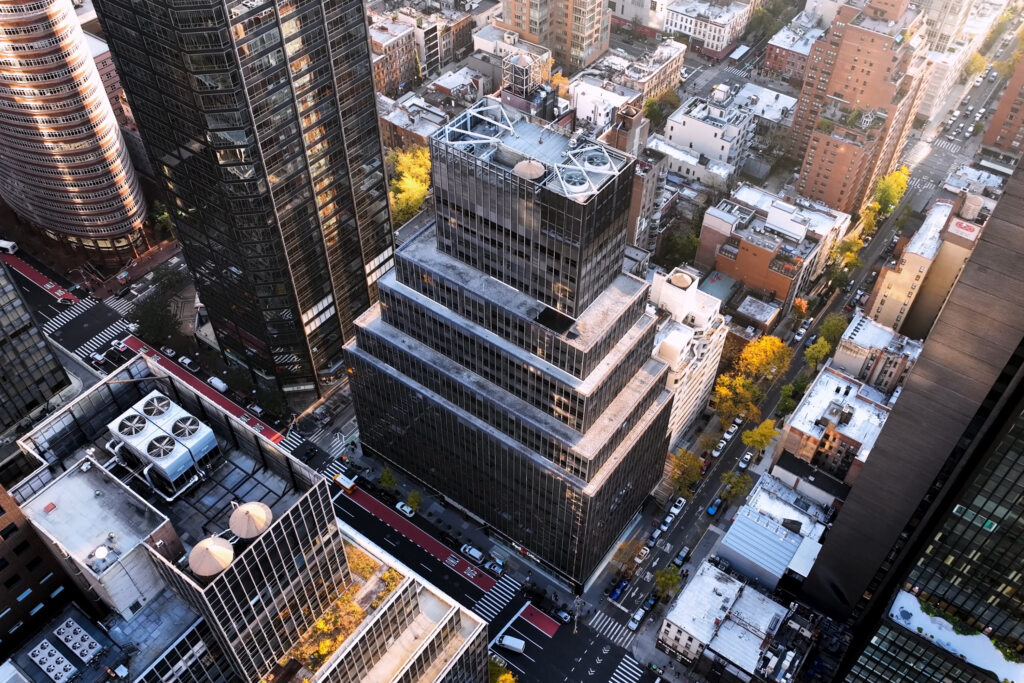
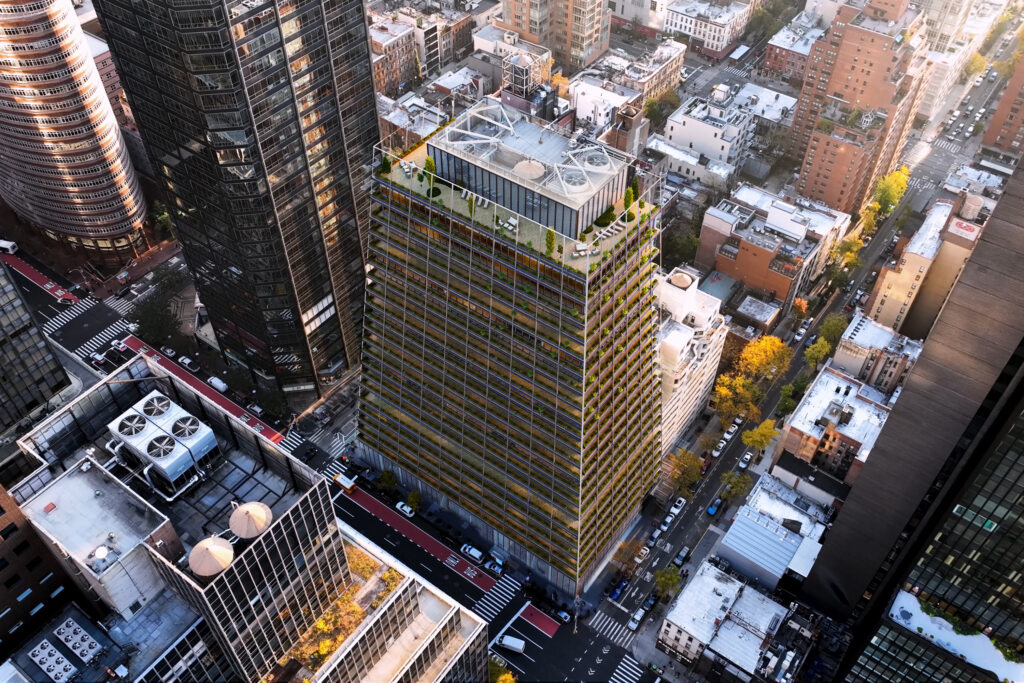
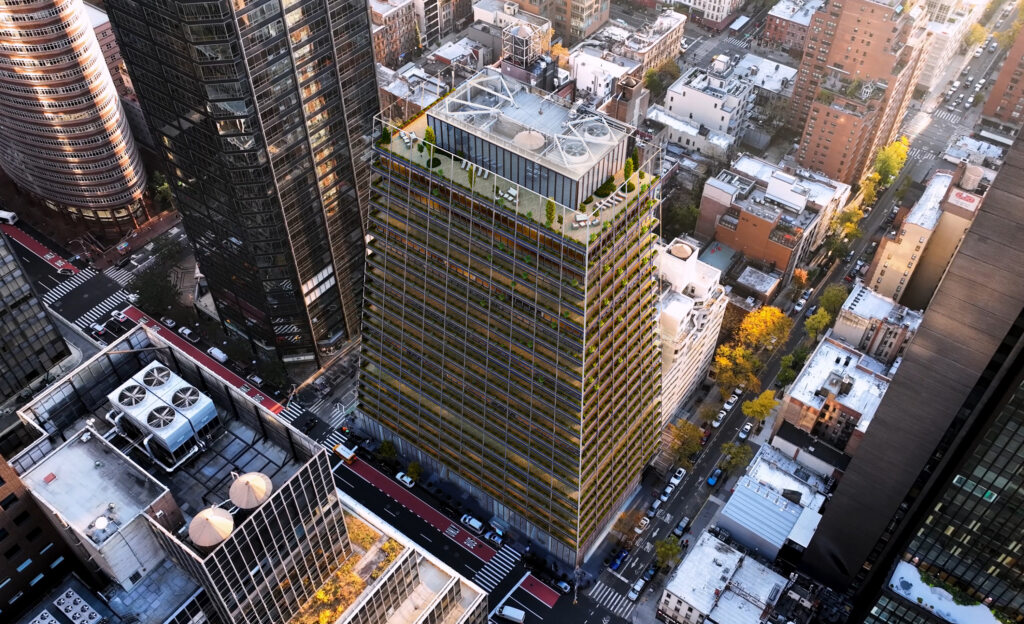
This office building in Midtown Manhattan could potentially be converted into housing.
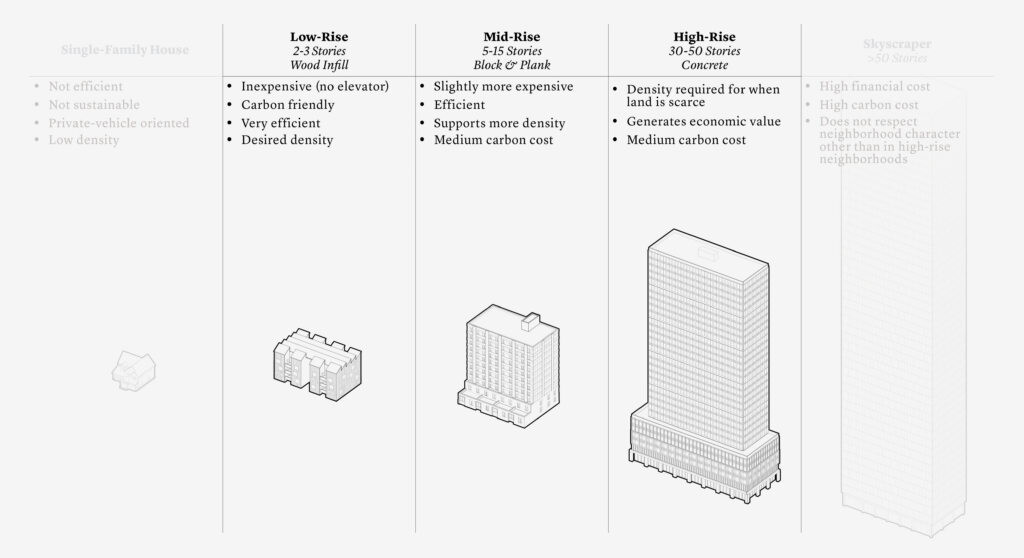
Three residential prototypes that hit the sweet spot for density, efficiency, construction system, and carbon impact
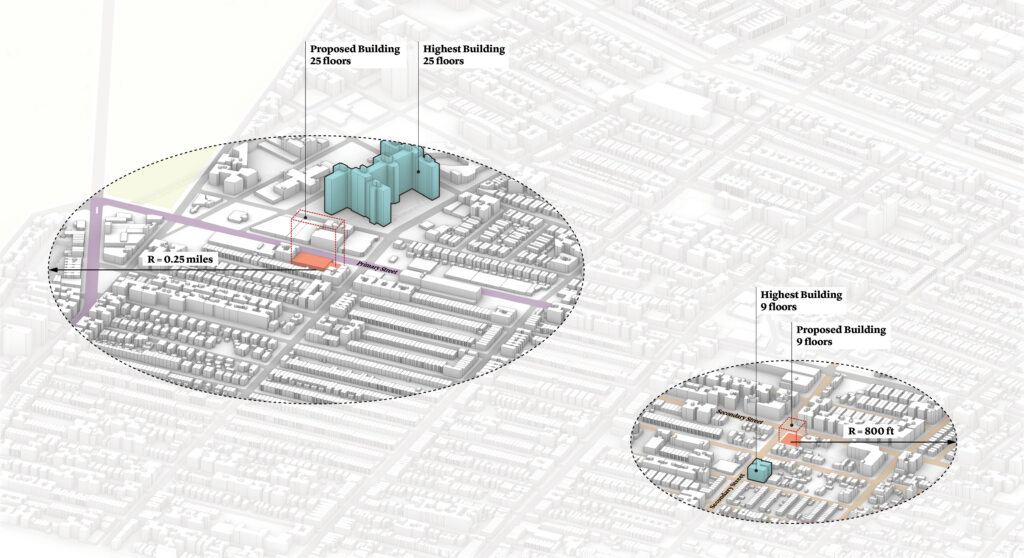
Each infill site was allocated a building height that matched the highest existing building within a predefined radius